

When it comes to construction equipment, digging devices are notable as among the most versatile and powerful tools on building sites and in many different earth-moving projects. Comprehending the fundamental parts of excavators is essential for anyone involved in the sector, regardless of whether you are an operator, a repair expert, or simply an enthusiast. By gaining cat parts into their basic parts, you will understand how these tools operate and what makes them capable of tackling demanding tasks.
Excavators are designed to bore, lift, transport, and even tear down, making them invaluable in various uses. They come in multiple sizes and forms, but the main parts stay similar across varieties. In this manual, we will investigate the essential parts of an excavation machine, shedding light on their functions and how they interact to achieve powerful performance. Whether or not you are looking to maneuver an excavator or maintain one, knowing these parts will boost your understanding and respect of this remarkable technology.
Hydraulics System
The hydraulic system is the heart of an excavator, providing the required power to operate its different parts. This system uses pressurized hydraulic liquid to transmit power from the motor to the excavator's operating parts. By converting the motor's mechanical force into hydraulics force, the system facilitates efficient and efficient performance of the arm, boom, and grab.
Key components of the hydraulic systems include hydraulic circulators, actuators, and controls. The hydraulic circulator takes fluid from the reservoir and compresses it, sending it through the systems. Hydraulics cylinders, which are attached to the mobile components of the excavator, convert the hydraulic force back into kinetic energy, enabling the machinery to lift, excavate, and transport objects. Valves control the flow of hydraulics fluid, directing it to various components as needed.
Maintenance of the hydraulic system is essential for best functionality and longevity of the excavating machine. Routine inspections on liquid levels, filter status, and potential leaks confirm that the systems functions smoothly. Ignoring the hydraulics system can lead to poor functionality and costly repairs, making it crucial for operators to understand its significance in the complete operation of the excavating machine.
Excavator Arm and Bucket Assembly
The excavator arm and bucket assembly is one of the most crucial components of an excavator, responsible for the machine's digging capabilities. The arm, commonly referred to as the boom arm, is a extended, hydraulic-operated part that connects the machine body to the bucket. It provides the necessary reach to interact with the terrain and perform excavation tasks. The arm is designed to withstand significant forces during operation, ensuring that the excavator can dig effectively and proficiently.
At the end of the end of the arm is the bucket, which is a scooping tool used for scooping materials. Buckets come in various shapes and sizes, customized for specific tasks such as excavating, grading, or lifting. The design of the bucket affects its capacity and how well it can manage different types of materials, such as soil, gravel, or heavy rock. Diverse bucket options allow users to select the right tool for the job, enhancing efficiency on the construction site.
Together, the bucket and arm assembly functions using hydraulic cylinders that offer exceptional force and control, allowing the excavator to perform precise movements. This assembly is pivotal for tasks like trenching, lifting heavy loads, and grading land. Understanding the intricacies of this assembly helps operators enhance the efficiency and effectiveness of their excavator.
Frame and Subframe
The chassis and undercarriage form the crucial backbone of an excavator, providing support and mobility. The chassis is the core structure that supports all other components, including the engine and driver's cab. Designed to endure heavy loads and harsh working conditions, it is usually made from durable steel to ensure durability. The subframe typically consists of the treads, wheels, and power sprockets, which work together to enable the excavator to traverse different terrains.
The subframe plays a essential role in the functionality of an excavator. The treads provide outstanding traction and balance of weight, allowing the equipment to operate in soft or uneven ground where wheels may struggle. Additionally, the tread system reduces ground pressure, decreasing the likelihood of sinking or getting stuck. The components of the subframe are constructed to support the weight of the excavator while providing a firm base for all the lifting and digging operations.
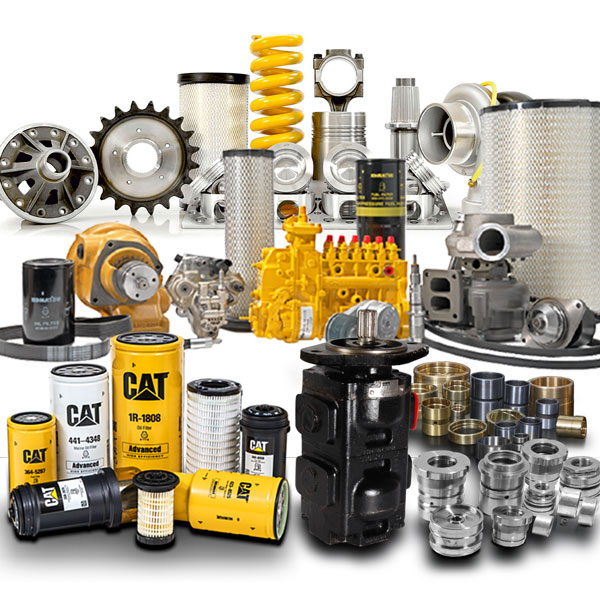
Regular maintenance of the chassis and undercarriage is important for peak performance. This involves checking the tracks for wear, ensuring correct tension, and checking for any wear and tear to the wheels and sprockets. Keeping the undercarriage in good condition not only enhance the excavator's maneuverability but also prolongs its service life, ensuring that it remains efficient and reliable on building sites and heavy-duty projects.